
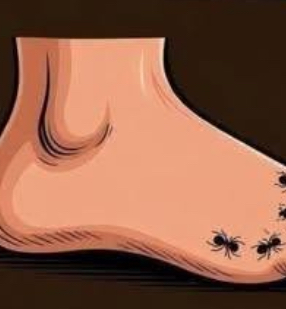
9 Changes in Your Feet That May Be Linked to Liver Problems
We often blame swollen or uncomfortable feet on a long day, standing too much, or uncomfortable shoes. And in many cases, that’s exactly what is happening.
However, some changes involving the feet and lower legs can occur in people with liver disease, particularly when liver damage has become more advanced. Swelling, itching, easy bruising, and changes in skin color can sometimes accompany cirrhosis and other liver conditions.
It’s important to remember that these signs are not specific to liver disease. Foot and ankle swelling, for example, can have many causes. The appearance of one of these symptoms does not mean that you have a liver problem.
Still, knowing what to watch for can help you recognize when it’s worth talking with a healthcare professional.
1. Swollen Feet or Ankles
Persistent swelling in the feet, ankles, or lower legs is known as edema.
Edema can occur with advanced liver disease and cirrhosis. When the liver is significantly damaged, several changes—including portal hypertension and reduced production of proteins such as albumin—can contribute to fluid accumulation in the legs and feet.
But swollen feet are extremely common and can also result from prolonged standing, certain medications, heart or kidney conditions, venous problems, and other causes.
Persistent or unexplained swelling should be evaluated rather than automatically attributed to the liver.
2. Persistent Itchy Skin
Persistent itching, medically called pruritus, can occur with certain liver and bile-duct disorders.
Itching may be particularly noticeable when there is a problem with bile flow. Conditions such as primary biliary cholangitis can cause significant itching, sometimes before other symptoms become obvious.
If the soles of your feet are repeatedly itchy—especially if the itching is widespread or difficult to explain—it’s worth discussing with a healthcare professional.
Itching alone, however, does not prove that a liver problem is present.