
Some recipes taste like home, no matter where life takes us.
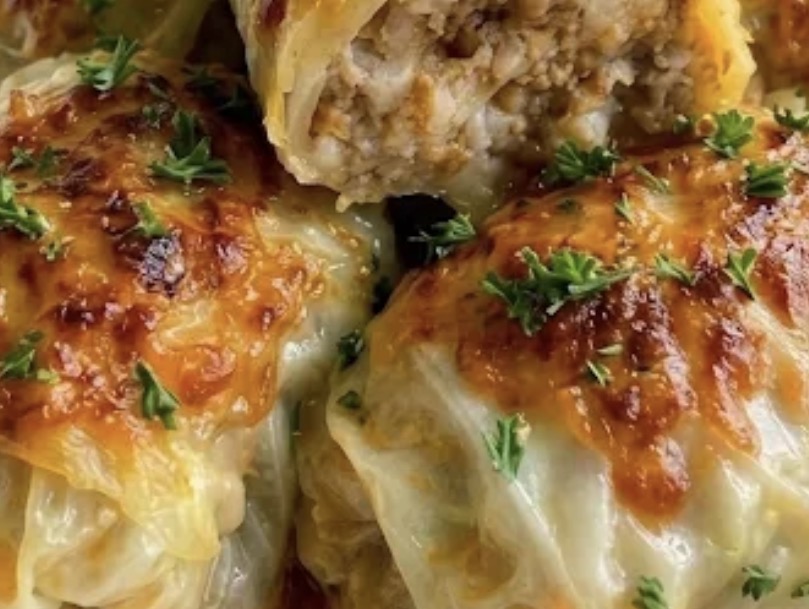
Tender cabbage leaves wrapped around a delicious filling of seasoned ground beef and rice, nestled in a rich tomato sauce and slowly baked until everything is soft, flavorful, and comforting. That’s the simple magic of Stuffed Cabbage Rolls!
This is the kind of meal that brings everyone to the table, fills the kitchen with wonderful aromas, and makes an ordinary evening feel a little more special.
Perfect for family dinners, cozy weekends, or whenever you’re craving a hearty homemade meal made with love, these classic cabbage rolls deliver the kind of old-fashioned comfort that never goes out of style.
And the best part? Although they look impressive on the plate, they’re made with simple ingredients and a few easy steps. A little preparation, a little patience, and your oven does most of the work!
Love comforting homemade recipes? Subscribe by emailto receive more family-friendly dinners, classic favorites, and delicious recipes straight to your inbox.
What Are Stuffed Cabbage Rolls?
Stuffed cabbage rolls are a traditional comfort food enjoyed in many cultures, with different versions found throughout Eastern Europe, Central Europe, the Middle East, and beyond.
The basic idea is wonderfully simple: softened cabbage leaves are filled with a savory mixture, rolled into neat little bundles, and cooked in a flavorful sauce.
For this recipe, we’re using ground beef, rice, onion, garlic, and seasonings, all wrapped in tender cabbage leaves and baked in a rich tomato sauce.
As the rolls cook, the flavors mingle together. The cabbage becomes soft, the filling stays moist, and the tomato sauce develops a deep, savory taste that makes every bite satisfying.
Serve them straight from the baking dish with crusty bread or creamy mashed potatoes, and you’ve got a meal that feels like a warm hug at the end of a long day.
Why You’ll Love These Stuffed Cabbage Rolls
There are so many reasons to keep this classic recipe in your dinner rotation.
A savory, satisfying filling
Ground beef and rice create a hearty filling that’s flavorful, tender, and filling without requiring expensive ingredients.
Tender cabbage leaves
Once softened, the cabbage wraps beautifully around the filling. It becomes delicate during baking and absorbs some of the wonderful tomato sauce.
Rich homemade tomato sauce
The sauce brings everything together with a balance of tomato flavor, garlic, onion, and herbs.
Simple, everyday ingredients
You don’t need anything fancy. Cabbage, ground beef, rice, canned tomatoes, and a handful of pantry seasonings are enough to create something special.
Perfect for family dinners
These rolls look beautiful arranged in a baking dish and are easy to serve individually. They’re also ideal for Sunday dinners, potlucks, and cozy gatherings.
Wonderful leftovers
The flavors continue to mingle as the rolls rest, making leftovers especially delicious the next day.
What Do Stuffed Cabbage Rolls Taste Like?
Imagine a tender cabbage wrapper filled with juicy, seasoned beef and soft rice, all coated in a savory tomato sauce.
The beef gives the filling its rich, meaty flavor. The rice adds softness and helps make each roll satisfying, while onion and garlic bring warmth and depth.
The cabbage itself becomes mild and tender during cooking, allowing the filling and sauce to shine.
The tomato sauce is slightly tangy, savory, and comforting. As it simmers around the rolls in the oven, it helps keep the filling moist and gives the entire dish that unmistakable homemade flavor.
And when you cut into a roll and see the beef-and-rice filling tucked neatly inside?
That’s the kind of simple kitchen magic I never get tired of!
Ingredients You’ll Need
This recipe makes approximately 10–12 cabbage rolls, depending on the size of your cabbage leaves.
For the cabbage rolls
- 1 large head of green cabbage
- 1 pound ground beef, preferably 85–90% lean
- 1/2 cup uncooked long-grain white rice
- 1 small onion, finely diced
- 2 cloves garlic, minced
- 1 large egg
- 1 teaspoon salt, or to taste
- 1/2 teaspoon black pepper
- 1 teaspoon paprika
- 1 teaspoon dried parsley
- 1 tablespoon chopped fresh parsley, optional
For the tomato sauce
- 1 can (15 ounces) tomato sauce
- 1 can (14.5 ounces) diced tomatoes
- 1 tablespoon tomato paste
- 1 cup beef broth
- 1 tablespoon brown sugar, optional, to balance the tomato acidity
- 1 teaspoon Worcestershire sauce, optional
- 1 teaspoon dried oregano
- 1/2 teaspoon garlic powder
- Salt and black pepper, to taste
A note about the rice
This recipe uses uncooked rice in the filling. The rice begins cooking as the cabbage rolls bake, absorbing moisture and flavor from the filling and sauce.
For best results, use regular long-grain white rice and make sure the rolls have enough liquid during baking. If you prefer using cooked rice, you’ll need to adjust the filling and cooking time because the rice won’t require the same amount of liquid or baking time.
Helpful Tools
You don’t need special equipment to make delicious cabbage rolls.
- Large pot for softening the cabbage
- Large mixing bowl
- Sharp knife and cutting board
- Measuring cups and spoons
- Wooden spoon or spatula
- 9-by-13-inch baking dish or another suitably sized ovenproof dish
- Aluminum foil
- Ladle or large spoon
A deep baking dish is particularly helpful because the rolls need enough room for the tomato sauce to surround them.
Ingredient Substitutions and Additions
One of the lovely things about stuffed cabbage rolls is how easily you can adapt the filling to suit your family.
Use a different ground meat
Ground beef is a classic choice, but you can use:
- Ground turkey
- Ground chicken
- Ground pork
- A mixture of beef and pork
Lean ground meat works well, although very lean meat can produce a slightly less juicy filling. Avoid adding too much extra fat, which may make the sauce greasy.
Swap the rice
White rice is traditional in many versions, but you can experiment with brown rice or another grain.
Brown rice takes longer to cook, so it’s best to cook it first before using it in this recipe unless you adjust the liquid and baking time specifically for that variety.
Add vegetables
Finely grated carrot, diced celery, or finely chopped bell pepper can add extra flavor and texture.
If you add vegetables, keep the quantities moderate so the filling still holds together.
Make the sauce sweeter or more savory
If your tomatoes taste particularly acidic, add a little brown sugar. For a deeper savory flavor, include Worcestershire sauce or a splash of beef broth.
You can also add a pinch of smoked paprika or red pepper flakes for a little extra warmth.
Make it dairy-free
This recipe is naturally dairy-free as written, provided your broth and Worcestershire sauce are suitable for your dietary needs.
Make it gluten-free
The ingredients can be gluten-free, but check the labels on your broth, Worcestershire sauce, and tomato products to ensure they meet your requirements.
How to Make Stuffed Cabbage Rolls
Don’t be intimidated by the rolling process. Once you prepare the cabbage leaves, assembling the rolls is easier than it looks.
Step 1: Prepare the cabbage
Bring a large pot of water to a boil.
Carefully remove any damaged outer leaves from the cabbage. Using a sharp knife, cut around the core to loosen it.
Place the whole cabbage into the boiling water and cook for several minutes. As the outer leaves soften, gently remove them with tongs.
Return the cabbage to the water as needed until you have about 10–12 large, flexible leaves.
Let the leaves cool enough to handle.
If the thick center rib of a leaf feels stiff, carefully shave it down with a knife. This makes the leaves easier to roll without tearing.
Helpful tip: Don’t discard the smaller inner leaves. You can chop them and place them in the bottom of the baking dish or save them for soup.
Step 2: Prepare the filling
In a large mixing bowl, combine the ground beef, uncooked rice, diced onion, minced garlic, egg, salt, pepper, paprika, and dried parsley.
Mix gently until the ingredients are evenly distributed.
Avoid squeezing or overworking the mixture, which can make the filling dense.
Step 3: Make the tomato sauce
In a separate bowl, whisk together the tomato sauce, diced tomatoes, tomato paste, beef broth, brown sugar if using, Worcestershire sauce if using, oregano, garlic powder, and a little salt and pepper.
Taste the sauce and adjust the seasonings as needed.
It should taste flavorful on its own because it will season the cabbage and filling as the rolls bake.
Step 4: Fill the cabbage leaves
Place a cabbage leaf on a clean work surface with the stem end facing you.
Spoon approximately 2–3 tablespoons of filling near the bottom of the leaf, adjusting the amount according to its size.
Fold the bottom of the leaf over the filling, fold in the sides, and roll it upward into a snug bundle.
Don’t roll it too tightly. The rice needs room to expand as it cooks.
Repeat with the remaining cabbage leaves and filling.
Step 5: Prepare the baking dish
Spread a thin layer of tomato sauce across the bottom of your baking dish.
This helps prevent sticking and gives the bottom of the rolls extra flavor.
Arrange the cabbage rolls seam-side down in the dish, placing them close together without crushing them.
If you have extra chopped cabbage, scatter it around the rolls.
Step 6: Add the sauce
Pour the remaining tomato sauce over the cabbage rolls, making sure they’re generously coated.
The sauce should come partway up the sides of the rolls. Add a little extra broth or water if needed to provide enough moisture for the rice to cook.
Cover the baking dish tightly with aluminum foil.
Step 7: Bake until tender
Preheat your oven to 350°F (175°C) if you haven’t already.
Bake the covered cabbage rolls for approximately 1 hour 30 minutes to 2 hours, depending on the size of the rolls and the type of rice used.
Check that the rice is tender and the filling is thoroughly cooked. Ground beef should reach an internal temperature of 160°F (71°C).
If the rice is still firm, add a little hot broth if needed, cover the dish again, and continue baking until everything is tender.
For a thicker, more concentrated sauce, remove the foil during the final 10–15 minutes of baking.
Step 8: Let them rest and serve
Remove the baking dish from the oven and allow the cabbage rolls to rest for about 10 minutes.
Spoon the rich tomato sauce over the rolls before serving.
Finish with fresh parsley if you like, then bring the dish straight to the table.
The cabbage will be tender, the filling savory, and the sauce wonderfully comforting.
How to Tell When Stuffed Cabbage Rolls Are Done
Cabbage rolls are ready when the cabbage is tender, the filling is fully cooked, and the rice has softened.
Look for these signs:
- The cabbage leaves are soft enough to cut easily with a fork.
- The filling is cooked through.
- The rice is tender rather than crunchy.
- The sauce is bubbling around the edges.
- The beef has reached an internal temperature of 160°F (71°C).
If the cabbage is tender but the rice remains firm, the rolls need more cooking time and possibly a little additional liquid.
Don’t rush this stage. Gentle, covered baking is what helps the flavors come together and keeps the rolls moist.
Tips for the Best Homemade Cabbage Rolls
Choose a cabbage with large leaves
A large, firm green cabbage usually gives you the most usable leaves. Avoid heads with extensive damage or very small, tightly curled outer leaves.
Soften the leaves properly
If the leaves are too stiff, they’ll crack while rolling. Give them enough time in the hot water to become flexible, and remove them carefully.
Don’t overfill the leaves
Large rolls can be difficult to close and may split during cooking. A modest amount of filling makes rolling easier and helps the rice cook evenly.
Roll them snugly, not tightly
The filling needs a little room to expand. Secure the rolls by folding in the sides and placing each one seam-side down.
Keep the sauce generous
The sauce provides moisture for the rice and helps prevent the cabbage from drying out. If the baking dish looks dry during cooking, add a little hot broth and cover it again.
Bake them covered
Keeping the dish covered for most of the cooking time traps steam and helps soften the cabbage.
Give them enough time
Stuffed cabbage rolls are not a recipe to rush. Longer, gentle baking helps the cabbage become tender and allows the flavors to mingle.
What to Serve With Stuffed Cabbage Rolls
These cabbage rolls are hearty enough to serve as the main dish, but a few simple sides make the meal feel complete.
Creamy mashed potatoes
Mashed potatoes are a wonderful pairing because they soak up the extra tomato sauce. Keep them simple with butter, milk, salt, and pepper.
Crusty bread
A warm loaf of crusty bread is perfect for scooping up every last bit of sauce.
Steamed green beans
Green beans add a fresh, crisp contrast to the soft cabbage and rich filling.
Roasted carrots
Roasted carrots bring gentle sweetness and color to the plate.
A fresh green salad
A simple salad with a light vinaigrette can balance the richness of the beef and tomato sauce.
Buttered noodles
For an extra-comforting dinner, serve the cabbage rolls alongside buttered egg noodles.
If you’re serving a crowd, mashed potatoes, bread, and a simple vegetable side are all you need for a lovely family-style meal.
Can You Make Stuffed Cabbage Rolls Ahead of Time?
Absolutely! Stuffed cabbage rolls are an excellent make-ahead meal.
You can prepare and assemble the rolls up to a day before baking. Arrange them in the baking dish, cover them with the sauce, seal the dish, and refrigerate.
When you’re ready to cook, bake them until the cabbage is tender, the rice is cooked, and the filling reaches a safe temperature. Because the dish will be cold from the refrigerator, it may take longer to bake than a freshly assembled one.
For the most even results, you can also prepare the sauce and filling ahead of time, then assemble the rolls shortly before baking.
How to Store Leftover Stuffed Cabbage Rolls
Let the leftovers cool slightly, then refrigerate them promptly in a covered container.
In the refrigerator
Store cooked cabbage rolls in an airtight container for 3–4 days.
Keep some sauce with the rolls to help maintain moisture when reheating.
In the freezer
Stuffed cabbage rolls freeze well.
- Let the cooked rolls cool.
- Place them in a freezer-safe container with plenty of sauce.
- Seal tightly and label with the date.
- Freeze for up to 3 months for best quality.
Thaw them overnight in the refrigerator before reheating, or reheat from frozen with extra time and sufficient sauce.
How to reheat them
For oven reheating, place the rolls in a covered baking dish with a little extra sauce or broth. Warm at 325°F (165°C) until heated throughout.
Individual portions can also be reheated in the microwave. Cover loosely and heat in short intervals, checking that the center is thoroughly hot.
Avoid repeatedly cooling and reheating the same batch. Reheat only the portion you plan to eat.
Recipe Information
- Prep time: 35 minutes
- Cook time: 1 hour 30 minutes to 2 hours
- Resting time: 10 minutes
- Total time: Approximately 2 hours 15 minutes to 2 hours 45 minutes
- Yield: 10–12 cabbage rolls
- Servings: Approximately 5–6
- Course: Main course, dinner
- Cuisine: Traditional comfort food, with variations across many regions
- Main ingredients: Cabbage, ground beef, rice, tomatoes, onion, garlic
Frequently Asked Questions
Do I need to cook the rice before making cabbage rolls?
Not for this recipe. The rice is added uncooked and cooks inside the rolls as they bake, absorbing moisture from the filling and sauce. Make sure there’s enough liquid and allow sufficient cooking time.
Why are my cabbage rolls falling apart?
The leaves may not have been softened enough, or the rolls may have been overfilled. Make sure the cabbage is flexible before rolling, fold the sides inward, and place the rolls seam-side down.
Why is the rice still hard?
The rolls may need more time, or there may not be enough moisture in the baking dish. Add a little hot broth, cover the dish tightly, and continue baking until the rice is tender.
Can I use cooked rice instead?
Yes. Cooked rice can be mixed into the filling, but the texture and baking time will differ. Since the rice no longer needs to absorb water and cook from raw, begin checking for doneness earlier and make sure the beef is fully cooked.
Can I make stuffed cabbage rolls without beef?
Yes! Ground turkey, chicken, or pork can work well. For a meat-free version, try a filling made with rice, lentils, finely chopped mushrooms, and seasonings.
Can I make these cabbage rolls in a slow cooker?
Yes, provided your slow cooker is large enough and the recipe is adapted for its cooking conditions. Arrange the rolls seam-side down, cover them with sauce, and cook until the rice is tender and the filling is thoroughly cooked. Cooking times vary by appliance, so check doneness rather than relying on time alone.
How do I keep cabbage leaves from tearing?
Choose a cabbage with healthy outer leaves, soften the leaves in hot water, and remove them gently. Trim the thick central rib if necessary, and avoid placing too much filling in each leaf.
Can I make the sauce from fresh tomatoes?
You can, although fresh tomatoes may have a different water content and acidity than canned tomatoes. Chop them finely and cook the sauce until it has a flavorful consistency before using it, adjusting the seasoning as needed.
Are stuffed cabbage rolls good the next day?
Yes! The flavors often develop further as the rolls rest in the refrigerator. Reheat them with their sauce to help keep the filling moist.
More Cozy Dinner Recipes You’ll Love
If you enjoy comforting homemade meals, you may also like:
- Classic Homemade Meatloaf with Tomato Glaze
- Slow Cooker Beef and Vegetables
- Easy Stuffed Bell Peppers
- Hearty Homemade Beef Stew
- Baked Meatballs in Tomato Sauce
- Classic Chicken and Rice Casserole
- Creamy Mashed Potatoes
- Homemade Tomato Soup with Crusty Bread
These are the kinds of meals that turn ordinary ingredients into something worth gathering around the table for.
Leave a Review and Share Your Cabbage Rolls!
Did you make these Stuffed Cabbage Rolls?
I’d love to hear how they turned out! Leave a review and tell me whether you served them with mashed potatoes, crusty bread, or your own favorite side dish.
If you added a special seasoning or used a family variation, share that in the comments, too. Recipes like this are wonderful because every family seems to have its own little twist.
And if you take a photo of your finished dish, save it to Pinterest and share it with your fellow home cooks. Your kitchen creations might inspire someone else to try this comforting classic!
Approximate Nutrition Information
Estimated nutrition per serving, assuming 6 servings and 2 cabbage rolls per serving:
- Calories: 380
- Protein: 22 g
- Carbohydrates: 35 g
- Fat: 17 g
- Saturated fat: 6 g
- Fiber: 5 g
- Sugar: 10 g
- Sodium: 750 mg
These numbers are estimates and are provided for general informational purposes. Actual nutrition will vary depending on the size of the cabbage rolls, the fat content of the beef, the type of tomatoes and broth used, and the amount of sauce served.
Final Thoughts
Some meals are memorable because they’re fancy. Others stay with us because they remind us of home.
These Stuffed Cabbage Rolls are the second kind.
Tender cabbage, savory ground beef, soft rice, and rich tomato sauce come together in a simple, satisfying dish that’s perfect for family dinners and cozy evenings.
They do take a little preparation, but every step has a purpose. Softening the cabbage makes rolling easier, seasoning the filling builds flavor, and slow baking brings everything together into one delicious meal.
Make them for Sunday dinner, prepare a batch for busy weeknights, or share them with the people you love. And don’t forget the extra tomato sauce and a slice of crusty bread!
Sometimes the most comforting recipes aren’t complicated at all. They’re made with everyday ingredients, a little patience, and the simple pleasure of bringing everyone to the table.
Happy cooking!
SEO Meta Description: Make old-fashioned Stuffed Cabbage Rolls with seasoned ground beef, rice, tender cabbage leaves, and rich tomato sauce. A cozy, hearty family dinner.