
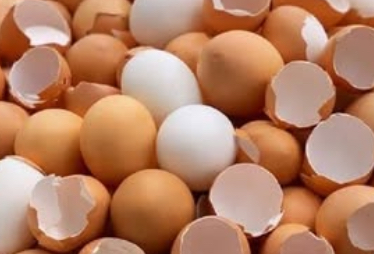
Stop Throwing Away Eggshells: 7 Smart Ways to Reuse Them at Home and in the Garden
Most people crack an egg, toss the shell into the trash, and move on.
But those leftover shells still have useful properties. Eggshells are made primarily of calcium carbonate, and with the right preparation they can be repurposed in several ways—from gardening to household projects.
There is also growing interest in eggshell powder as a source of dietary calcium. Research has found that calcium from processed eggshell powder can be bioavailable, and several studies have investigated its potential role in bone health. However, that doesn’t mean homemade eggshell powder should be treated as a replacement for a medically recommended calcium supplement or osteoporosis treatment.
So before you throw those shells away, here are some practical ways to give them a second life.
1. Eggshells Can Be a Source of Calcium
Chicken eggshells contain a large amount of calcium carbonate. Research has investigated processed eggshell powder as a potential dietary calcium source, with studies suggesting that its calcium can be absorbed by the body.
Some clinical studies have also reported improvements in certain bone-density measurements when eggshell powder was included as part of a broader nutritional intervention. For example, a randomized study in postmenopausal women found a modest improvement in femoral-neck bone mineral density with an eggshell-powder-enriched supplement, although the study did not show significant improvements at every skeletal site.
More recent research has also explored eggshell-derived calcium, sometimes together with vitamin D and other dietary factors. Results are promising in some studies, but the evidence is still not strong enough to say that homemade eggshell powder prevents or treats osteoporosis on its own.
Important Safety Note
If eggshells are going to be consumed, food safety matters.
Raw eggshells can carry microorganisms such as Salmonella. Research into household processing has examined washing and boiling eggshells before drying and grinding them, with boiling used as part of the sanitation process.
Simply grinding untreated shells and adding them to food isn’t a good idea.
If you are considering eggshell powder as a calcium source, particularly if you have kidney disease, a history of kidney stones, take medications, or already use calcium or vitamin D supplements, talk with a healthcare professional first.
2. How Eggshells Can Be Prepared for Calcium Powder
If you choose to investigate eggshell powder for food use, careful preparation is essential.
A published household-processing method includes:
- Wash your hands and clean the preparation area.
- Rinse the empty eggshells.
- Remove the inner membrane if desired.
- Boil the shells to reduce microbial contamination.
- Dry them thoroughly.
- Grind the completely dry shells into a very fine powder.
- Store the powder in a clean, airtight container.
One research project examining eggshell use as a dietary calcium source used 10 minutes of boiling as part of its preparation method.
The original viral-style recipe that suggests simply boiling shells for five minutes should therefore not be treated as a universally validated safety procedure.
And remember: more is not better. Eggshell powder is highly concentrated in calcium, so taking large amounts without knowing your calcium intake can be inappropriate.
3. Add Eggshells to Your Garden
One of the simplest ways to reuse eggshells is in the garden.
Because eggshells contain calcium carbonate, crushed shells can contribute calcium to soil as they gradually break down.
However, there is an important distinction: eggshells do not work like a fast-acting fertilizer. Their calcium becomes available slowly, especially when the shells are left in larger pieces.
For faster breakdown, crush or grind the shells before adding them to compost or soil.
4. Use Crushed Shells Around Plants
Gardeners sometimes scatter crushed eggshells around plants.
This can be a convenient way to recycle kitchen waste, although eggshells shouldn’t be considered a guaranteed pest-control method.
You may see claims that sharp eggshell pieces reliably repel slugs and snails. In practice, eggshell barriers are not a dependable substitute for proven slug-management techniques.
If you enjoy using them in the garden, think of crushed eggshells primarily as a recycled mineral material rather than a guaranteed pest deterrent.
5. Add Eggshells to Compost
Eggshells can also be added to a compost pile.
Crushing them first helps increase their surface area and allows them to break down more readily.
Unlike organic kitchen scraps such as fruit and vegetable waste, eggshells are largely mineral rather than easily decomposed organic matter. They won’t necessarily “speed up” compost decomposition as viral posts sometimes claim.
Instead, their main benefit is that they can eventually contribute calcium-containing material to the finished compost.
6. Use Them as Part of a Low-Waste Kitchen Routine
One of the easiest benefits of saving eggshells is simply reducing household food waste.
Instead of automatically throwing them away, you can:
- Add crushed shells to compost.
- Use them as garden material.
- Explore properly processed eggshell powder if appropriate for your diet.
- Use them for craft and educational projects.
- Add them to a home composting routine.
Small habits like these can make kitchen waste more useful.
7. Eggshells Can Be Useful for Garden Soil—But Don’t Overdo It
Because eggshells are primarily calcium carbonate, adding large quantities to soil isn’t automatically beneficial.
Soil chemistry varies, and changing soil pH without knowing your soil’s existing condition isn’t always desirable.
If you’re interested in using eggshells around vegetables such as tomatoes, peppers, or eggplants, consider testing your soil first and use eggshells as one small part of an overall soil-management strategy.
Can Eggshells Really Strengthen Bones?
Eggshell powder contains calcium, and scientific studies have investigated its use as a calcium source.
Some research has found comparable calcium bioavailability to conventional calcium carbonate, while several clinical studies have reported improvements in particular bone-health measurements.
But that is different from saying that eating homemade eggshell powder will automatically prevent osteoporosis or strengthen your bones.
Bone health depends on many factors, including adequate calcium and vitamin D intake, physical activity, age, hormones, genetics, and overall nutrition.
A 2024 randomized study, for example, found that a meal replacement fortified with eggshell powder and vitamin D reduced the decline in femoral-neck bone density in postmenopausal women, but the intervention included both eggshell calcium and vitamin D—not eggshell powder alone.
That’s why eggshell powder should be viewed as a potential calcium source rather than a miracle cure.
What About the Magnesium, Phosphorus, and Zinc?
Eggshells can contain small amounts of other minerals in addition to their dominant calcium-carbonate component.
However, the nutritional significance of those trace minerals can vary depending on the eggshell and preparation.
The major nutritional reason researchers study eggshell powder is its calcium content, not because it is a complete source of essential minerals.
Frequently Asked Questions
Can you eat eggshells?
Eggshells can be processed into a fine powder and have been studied as a dietary calcium source. However, raw or improperly processed shells can present a food-safety risk, so preparation is important.
Do eggshells prevent osteoporosis?
There is research suggesting potential benefits from eggshell-derived calcium, but there isn’t enough evidence to claim that homemade eggshell powder by itself prevents or treats osteoporosis.
Should I put eggshells directly on my plants?
You can, but whole shells break down slowly. Crushing them first makes them easier to incorporate into soil or compost.
Do eggshells really keep slugs away?
This is a popular gardening claim, but crushed eggshells should not be considered a reliable standalone slug-control method.
Are eggshells good for compost?
Yes. Clean, crushed eggshells can be added to compost, where they contribute mineral material as they gradually break down.
Final Thoughts
Eggshells don’t have to go straight into the trash.
Their high calcium-carbonate content makes them interesting for research as a potential dietary calcium source, while crushed shells can also be reused in gardening and composting.
The key is separating useful ideas from exaggerated internet claims.
Don’t think of eggshells as a miracle cure. Think of them as a household resource that can sometimes be reused in practical ways.
Before consuming eggshell powder, prioritize food safety and speak with a healthcare professional if you’re considering it as a regular calcium supplement.
And for the garden, simply crushing and composting your shells can be an easy first step toward reducing kitchen waste.
The next time you crack an egg, don’t be so quick to throw the shell away—it may have a second life.