
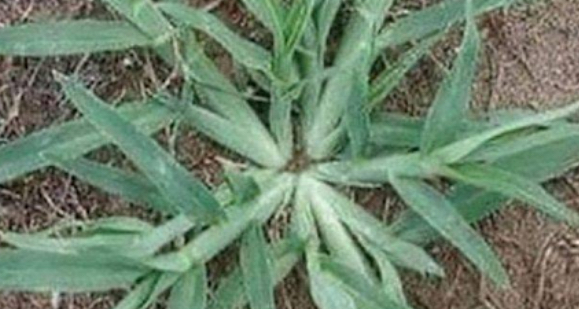
Don’t Pull This Plant From Your Garden: The Surprising Benefits of Purslane
Have you ever noticed a small, green plant growing between your garden plants and assumed it was nothing more than a weed?
Before you pull it out, take a closer look. Purslane is a common edible plant that often grows in gardens, lawns, cracks in sidewalks, and other sunny areas. With its thick, juicy leaves and low-growing stems, it can easily be overlooked.
For generations, purslane has been used as a food and in traditional herbal practices. Today, it continues to attract attention because of its nutritional profile, particularly its fiber, vitamins, minerals, antioxidants, and plant-based omega-3 fatty acid content.
What Is Purslane?
Purslane is a low-growing succulent plant known scientifically as Portulaca oleracea. It has fleshy, oval-shaped leaves and reddish or green stems, and it tends to thrive during warm weather.
It is sometimes known by different common names depending on the region. However, common names can vary considerably, so proper identification is important before eating any wild plant.
Purslane is especially interesting because it can be treated as both a garden plant and a vegetable. Its leaves and tender stems can be eaten when the plant has been correctly identified and harvested from a clean, pesticide-free area.
Why Is Purslane Considered Nutritious?
One reason purslane has become popular among people interested in nutritious foods is its combination of nutrients in a relatively small plant.
Purslane contains:
- Dietary fiber
- Vitamin C
- Vitamin A-related carotenoids
- Several minerals, including magnesium and potassium
- Antioxidant compounds
- Plant-based omega-3 fatty acids, particularly alpha-linolenic acid (ALA)
The exact nutritional content can vary depending on growing conditions, maturity, and preparation.